
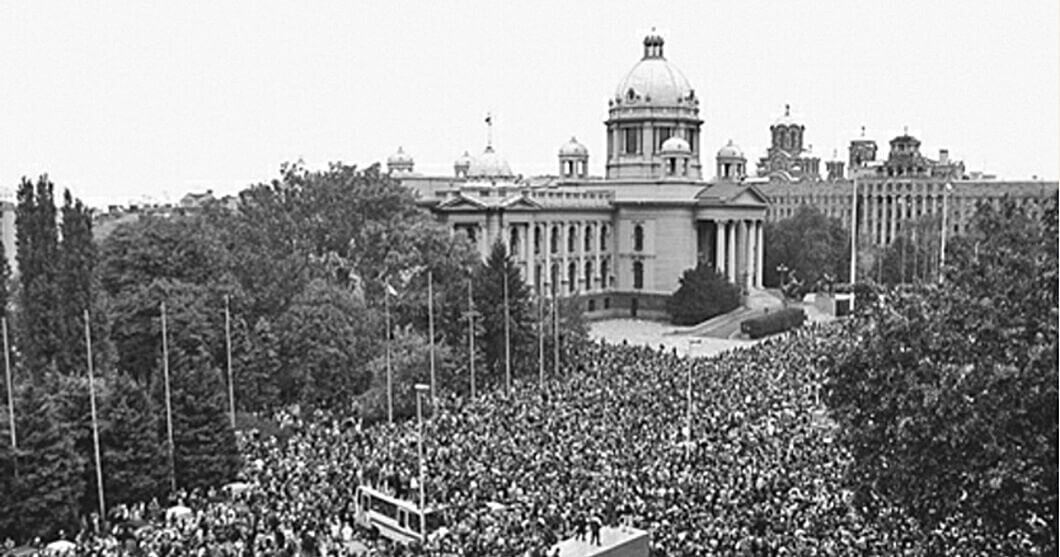
“But regardless of your opinion of Occupy’s people [activists from Occupy Wall Street], studying its planning, or lack thereof, is a valuable lesson for activists everywhere.” (Srdja Popovic)
| This post is part of a reading series on Blueprint for Revolution, by Srdja Popovic. To access all chapters quickly, open this book’s page. Disclaimer: This chapter summary is personal work and an invitation to read the book itself for a detailed view of all the authors’ ideas. |
Occupy Wall Street was a left-wing populist and progressive movement against economic inequality, capitalism, corporate greed, big finance, and money’s influence in politics. It began in Zuccotti Park in New York City’s Financial District and lasted fifty-nine days–from September 17 to November 15, 2011. To which the author adds, “Instead of dubbing themselves ‘The 99 Percent,’ which would have implied that the movement was based on a group identity, the American activists named themselves after a single tactic.” A tactic, moreover, that tends to invite only a certain type of dedicated person instead of drawing in more casual participants, as all successful movements need to do.
Besides, “You urge the masses to march in the streets when you know you have enough of the masses on your side, and only when you’ve already done all the preparations necessary to bring your campaign to a showdown.” As for the Occupy movement, “It seemed to have taken the wrong lessons from the Arab Spring and elsewhere. And not only did it begin as a mass gathering, but it quickly lost whatever organizational unity it had through all sorts of internal discussions, clarifications, and the inevitable bouts of infighting. As a result, its philosophy was muddled, and the only way it could go was down.”
What could have been done differently?