
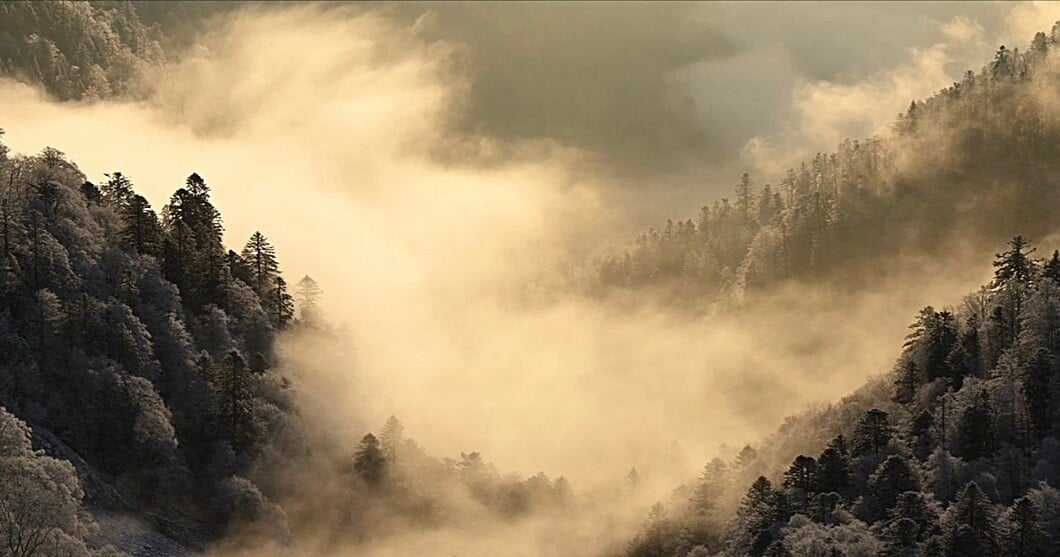
“This is a more personal and subjective consideration reflecting my thoughts on the development of data centers and the need for responsible innovation in a period of great uncertainty about our becoming.” (Bruno Grippay)
The New World of Terror

The war on terror was supposed to signal the dawn of a new world era. What does its “New-World” mythology rest upon, and how do we, the people, come to accept fear as the principle of political power?
The Politics of Superpower: Managed Democracy

Corporate power is no longer an external force that occasionally influences policies and legislation; it is an integral part of the government. What are the main aspects of its “management” of democracy?
Capitalism: A Creation Story

Capitalism is the first expansionist economic system in history. Contrary to its own myth, it did not emerge naturally and is far from being the expression of human freedom.
Democracy, Nature’s Rights, and the Quest for Meaning
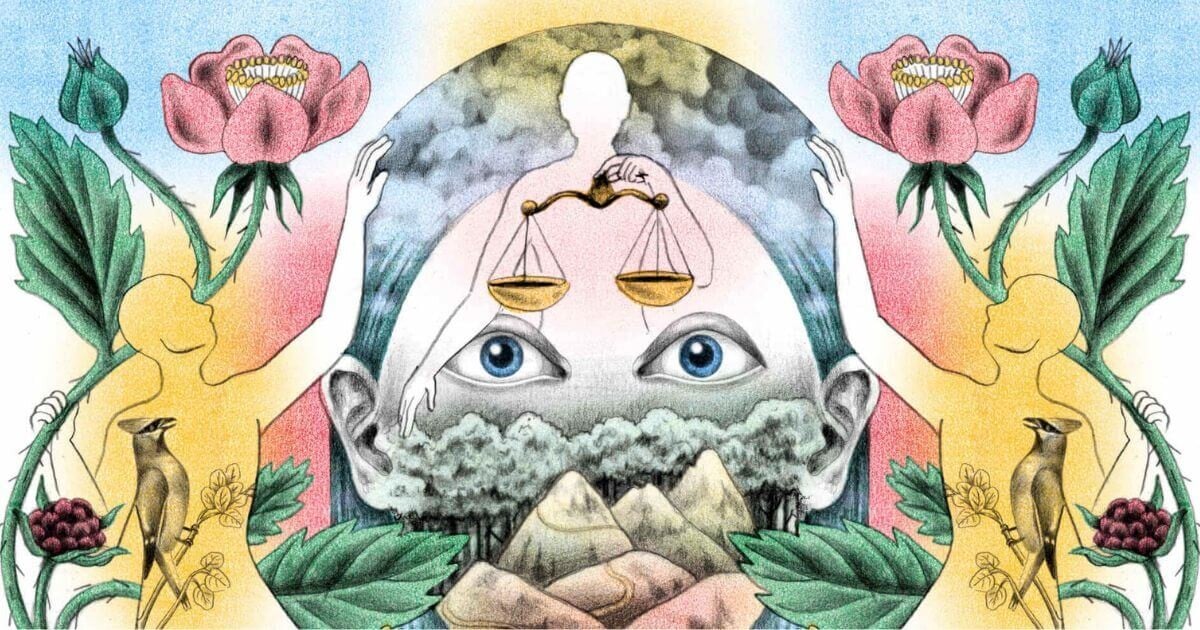
Democracy is a universal principle that applies locally. Fostering a sense of community where it is upheld, the legal recognition of nature’s rights is democracy in practice.