
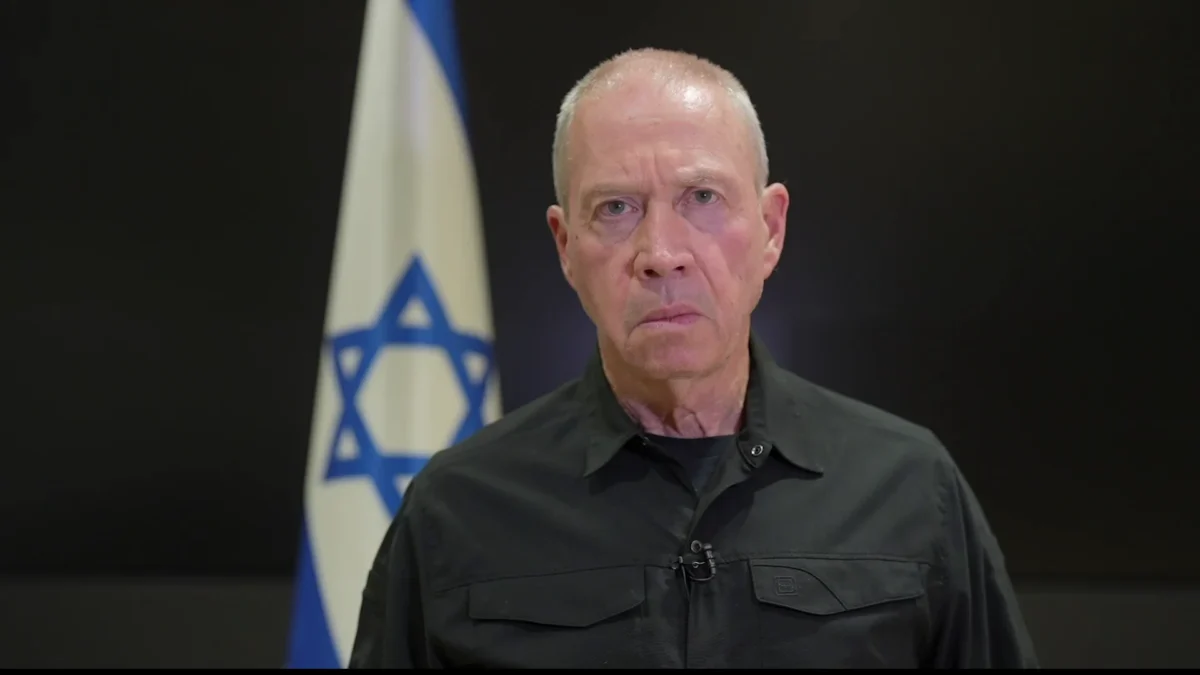
On October 9, 2023, Yoav Gallant declared a genocidal intent on behalf of the Israeli government. Nothing really exceptional. The rhetoric behind it has long served Israel’s territorial interests.
| This post is part of a reading series on Zionism vs. Democracy, by Philippe Roussel. To quickly access all chapters, open the book title tab on the Authors & Books page. |
Given the little chance most of them had to come back alive, the Hamas militants who committed the slaughter of hundreds of Israelis and abducted 251 people from Israel to the Gaza Strip on 10/07/23 likely were unmarried young men. This means that they had spent almost all of their lives in what some Israeli officials called a “concentration camp,” even before the intensity of the blockade was notched up by Israel when Hamas was elected as the governing body of the Gaza Strip in 2006.1
Nothing can justify what happened on 10/07/23, but the events of that day did not occur in a vacuum either. A blockade aims to create a state of deprivation, obstructing all opportunities for economic development and barring people from leaving the blocked area. Concerning the Gaza Strip, moreover, it had constantly been maintained at the highest level of severity possible, to the point that the Israeli administration used to joke about putting Gazans “on a diet” by periodically restricting food aid to the least amount of calories humanly viable.2
Another aspect is as crucial. Since Gazans were trapped in an open-air prison, they were also left at the mercy of their wardens. “Mowing the lawn” was another amusing way for the Israeli administration to label what it saw as a duty: the collective punishment of Gazans in retaliation for Hamas’ sporadic attacks on Israeli citizens. These killing sprees resulted in thousands of Palestinian deaths between 2008 and 2022. The blueprint of savagery had thus been handed down to the perpetrators of the 10/07/23 attack.
- About the Author
- Latest Posts

Philippe Roussel has long been interested in studying the power structures defining our increasingly unsustainable and undemocratic world. This website serves as the primary platform where he presents his ideas and findings to an international audience.