
“We are in trouble because modern economic theory and the practice of finance especially . . . remain dangerously grounded in an outdated mechanistic worldview that fails to reflect the reality of the more accurate living-systems worldview.” (John Fullerton)
| This post is part of a reading series on Regenerative Economics, by John B. Fullerton. To access all chapters quickly, open this book’s page. Disclaimer: This chapter summary is personal work and an invitation to read the book itself for a detailed view of all the authors’ ideas. |
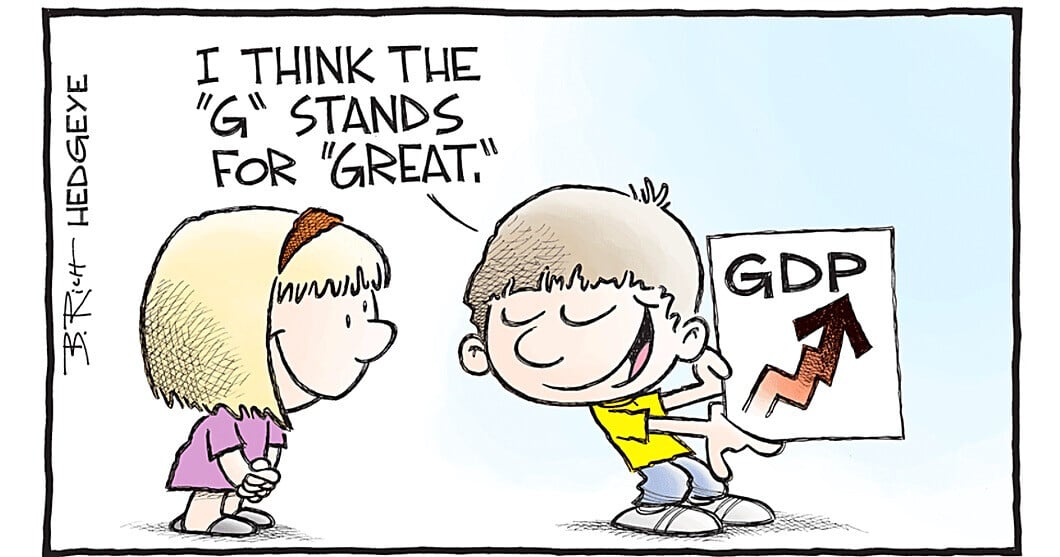
Less or more government intervention in a country’s economy is often regarded as the most significant ideological divide in economics. It is not. Both sides remain caught in the unquestioned assumptions of neo-classical economics. Notably, that “the economy is separate from the biosphere and the environment, and that maximizing profits for shareholders, growing GDP, and optimizing consumer material utility (more stuff) all lead to prosperity and happiness.”
This disconnect from the living world dates back to the beginnings of modern science in Europe. As Copernic and Galileo showed that the observable planets (at the time) orbit the sun each according to a regular pattern, the idea emerged that observing, calculating, measuring, and experimenting were the only way to produce real knowledge of how the world works. The universe became a vast machine, and all its components could and should, supposedly, be investigated in the same way. For a long time, science meant predictability and reducing complex phenomena into their simplest parts; nothing more, nothing less.