
After finding something small but popular to rally around, the cause needs a vision of tomorrow that speaks to people’s needs. This transition was notably illustrated in the Maldives when the local dictator was ousted in 2008.
| This post is part of a reading series on Blueprint for Revolution, by Srdja Popovic. To quickly access all chapters, open the book title tab on the Authors & Books page. Disclaimer: This chapter summary is personal work and an invitation to read the book itself for a detailed view of all the authors’ ideas. |
On 26 December 2004, a tsunami caused by an earthquake in the Indian Ocean hit the Maldives archipelago. Aside from the 106 people killed or disappeared, it was an utter devastation for the local economy, mainly based on tourism. Maumoon Abdul Gayoom, the ruthless dictator in charge at the time, turned to international aid, which was granted on the condition that he allow political parties to hold actual elections. Gayoom promptly agreed, as under his rule, political opposition was almost nonexistent.
The thin sliver of political opponents of Gayoom belonged to three distinct groups. First, actual dissidents who had been educated abroad and accustomed to speaking in abstract terms about freedom of the press and the virtues of democracy. They consequently had no real connection to what the humble fishermen living on the atolls really cared about. Then there were the Islamic groups, who wanted to impose Sharia law. An unpopular program, since most of the country’s money came from frolicking tourists in bikinis, drinking cocktails on private beaches. “Finally, there were the drug addicts, whose only real connection to the dissidents and the Islamists was that they’d all slept in the same jail cells.” The authorities were said to occasionally offer low-grade heroin to prisoners in order to turn them into loyal and obedient junkies. All in all, therefore, if you opposed Gayoom and belonged to one of these groups, you were likely to be distrusted by the population at large.
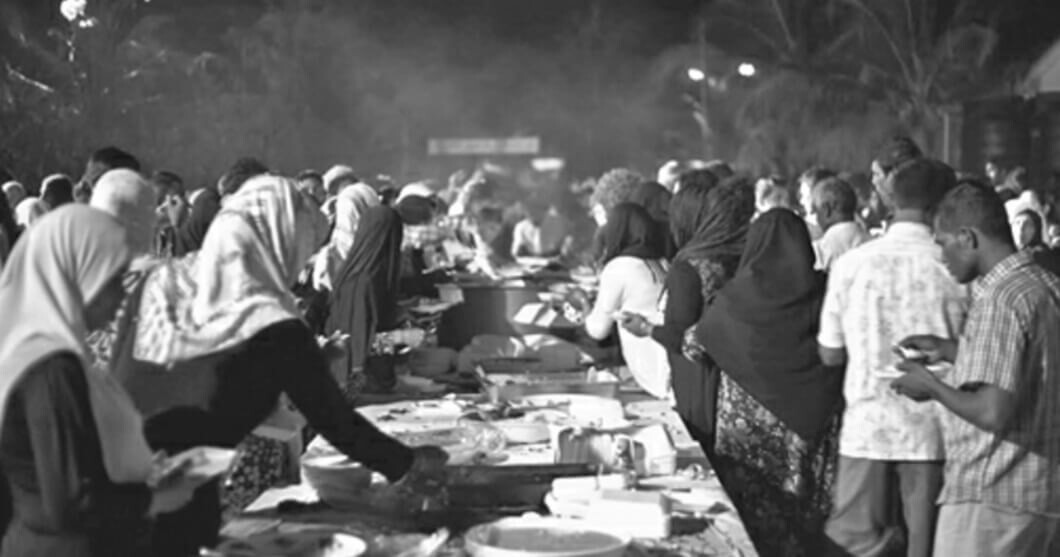
Educated political dissidents could bring about positive change only by overcoming the challenge of connecting with the general population. At some point, they had the idea of holding a public party where everyone could bring their rice pudding to share. For Maldivians, rice pudding is almost a national obsession, and the party was a huge success. When the Maldivian police came to put an end to the fun—mass gatherings were against the law—they had to stuff vats of rice into the back of their vehicles. This image confirmed to the activists that they had found a rallying point for their movement. “Soon rice pudding feasts were being held all across the Maldives, giving people a chance to get together, talk, and build a sense of community. And in time the dessert became synonymous with the dissident-led opposition, a symbol as immediately recognizable in the Maldives as the fist had once been in Serbia.” says Srdja Popovic.
Yet, “Although the dissidents were building awareness and managed to find a symbol for their movement, Gayoom still had the support of all the main institutions in the Maldives.” How to turn the attention rice pudding parties were stirring up into political power?