
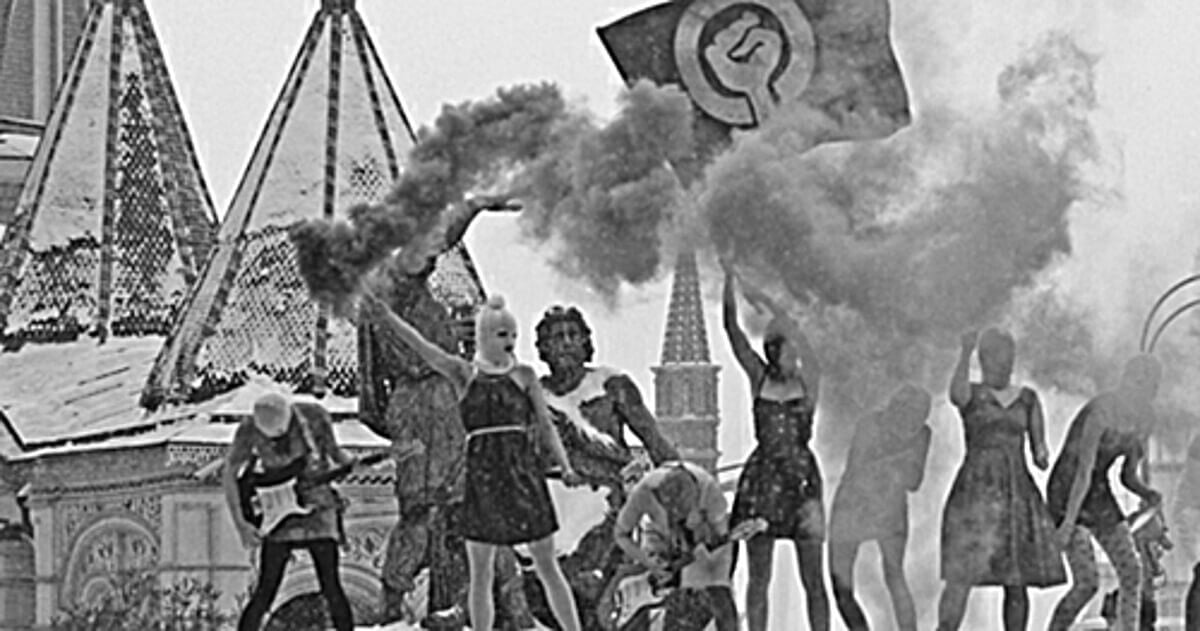
“Making oppression backfire is a skill, sort of like jujitsu, that’s all about playing your opponents’ strongest card against them. Before you can do that, though, you need to understand exactly how oppression works.” (Srdja Popovic)
| This post is part of a reading series on Blueprint for Revolution, by Srdja Popovic. To quickly access all chapters, open the book title tab on the Authors & Books page. Disclaimer: This chapter summary is personal work and an invitation to read the book itself for a detailed view of all the authors’ ideas. |
“In the hands of authorities everywhere—from dictators to elementary school principals—oppression achieves two immediate results: it punishes disobedience, and it prevents future problems by sending a message to potential troublemakers.” Oppression relies on fear to be effective, but the goal is not fear; it is to make you obey. And whether or not you obey is always your choice. One is always free to say no, even if the consequences might be severe.
“So if we want people to stop complying with the regime,” says the author, “they have to stop being scared. And one of the scariest things in any society, whether it’s a dictatorship or a democracy, is the great unknown. That’s why kids are afraid of the dark, and that’s the reason that your average citizen sweats bullets when he walks into the oncologist’s office for the first time. But as we learned in Serbia, the best way to overcome the fear of the unknown is with knowledge. From the earliest days of Otpor!, one of the most effective tools the police had against us was the threat of arrest. Notice I didn’t say arrest, but just the threat of it.”
This is why when Otpor! activists started being arrested, they made sure that, once released, others knew the details of their incarceration. This way, everyone could mentally prepare by envisioning reality rather than staying overwhelmed by irrational, scary fantasies. In fact, “The whole thing was a lot like being in a high school play, and it always followed the same predictable pattern.”
“And we covered for each other too,” adds the author. “If the police actually got one of us, we all had legal documents signed and ready, giving a few lawyers sympathetic to our cause power of attorney. Finally, we had elaborate phone lists in place, so that if any of us got arrested there was always someone notifying parents and friends and loved ones. And, of course, there were piles of pre-made press releases sitting on top of desks and tables ready to be sent out to the media seconds after shit went down, with only the names of the activists and the address of the jail left blank and waiting to be filled in. . . . We were sworn, like American soldiers, to ‘leave no man behind,’ and trained ourselves to endure the worst. Soon people were willing to take incredible risks because they knew that as soon as Milošević’s guys slapped the handcuffs on them, there would be an entire movement working behind the scenes to set them free.”