
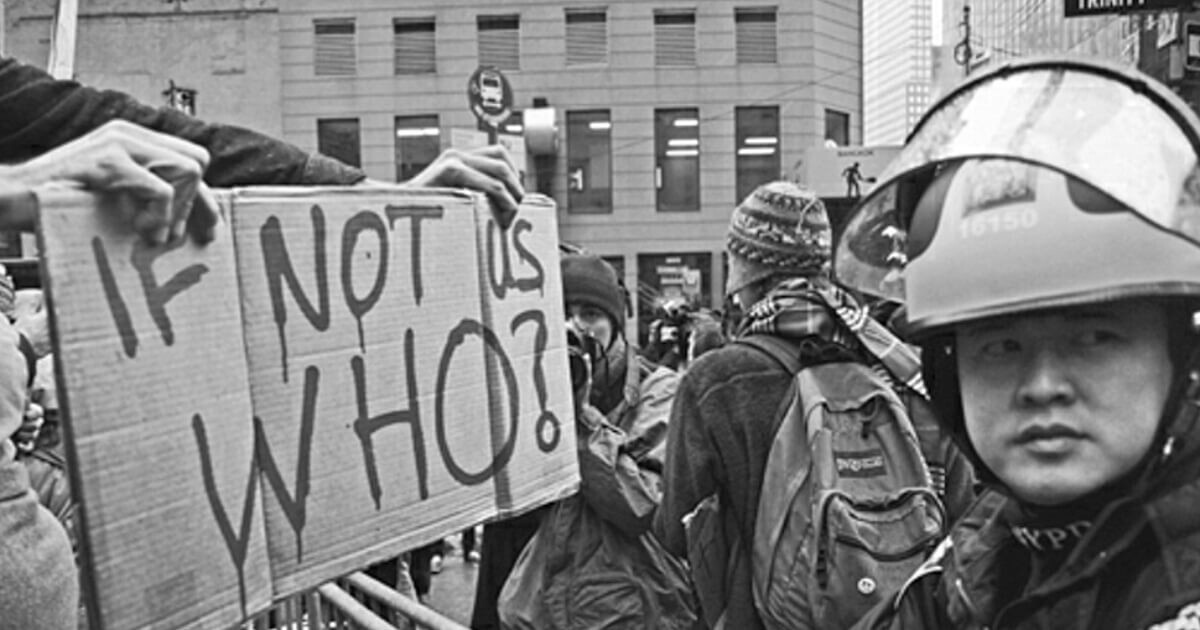
“The important thing for activists to realize is that everything comes down to community. It’s always about people. . . . Even the smallest creatures have the power to change the world.” (Srdja Popovic)
| This post is part of a reading series on Blueprint for Revolution, by Srdja Popovic. To access all chapters quickly, open this book’s page. Disclaimer: This chapter summary is personal work and an invitation to read the book itself for a detailed view of all the authors’ ideas. |
In the final chapter, the author speaks about a special kind of hero: ordinary people. For that, he uses a fictional character, Kathy, inspired by many stories he heard from part-time suburban American activists. “Now, Kathy is a perfectly nice, perfectly ordinary person with a good job and three kids and a split-level house, the kind of person who is lovely but not particularly noticeable. She tries to live a normal, happy, and well-balanced life, and until recently she had never considered—let alone participated in—any sort of activism in her life.”
One day, the city council decides a rezoning to accommodate the establishment of a large shopping mall in her neighborhood, in close proximity to the school where her kids go. “Concerned, Kathy did everything she thought she was supposed to do. She called a few city council members and left messages with their secretaries; of course she never heard back. She wrote a letter to the local newspaper; it ran, but nothing happened. She spoke to her friends on the local school board, and together they wrote a sternly worded letter to the mayor; they received a polite answer promising he’d look into the matter, but he never did. . . . It wasn’t just the safety issue; having heavy traffic nearby presented some challenges, true, but nothing that a few well-placed speed bumps or traffic lights couldn’t solve. The real issue was this terrible feeling that people with a lot of money and friends in city hall could just waltz in, call the shots, and leave ordinary citizens like her—the parents who carpooled their kids to school every morning, ran bake sales to keep the school well maintained, and saw the school community as an integral part of their lives—out of the picture.”
It was time to take more serious action. “Like all battles worth fighting, this one would take time and require a host of tactics. . . . But Kathy was smart. She knew how to identify the pillars of power.” She recognized that her town was mostly composed of God-fearing people, with churches serving almost as centers of civic life. Soon enough, she convinced a local priest to write a strongly worded letter to the mayor. The mayor wasn’t stupid and realized a divine coalition could form against him, potentially costing him the next election. “It was now three months after the mayor first ignored Kathy, but he finally started to backpedal and promised to hold another public hearing to reconsider the plan.”